
Maastricht Intensive Care Course
Are you eager to take control of your learning journey in the world of critical care? Welcome to the Maastricht Intensive Care Course (MICC), where the power to shape your education is literally in your hands. With our innovative and unique approach, you choose from various masterclass workshops. From this selection, we craft a tailored 2-day program that aligns perfectly with your aspirations and needs.
Experience unparalleled versatility and engage directly with world-class experts. Not only will you learn from the best, but you’ll do so in an intimate, hands-on setting. Our small group masterclasses ensure you get the attention and interaction you need to truly grasp complex concepts.
Adaptability is key in critical care and the MICC mirrors this philosophy. Enjoy the flexibility of a program that respects your individuality and fosters your educational growth.
Courses
-
Advanced life support is routine for critical care professionals—but not every arrest fits the standard mold. While ERC protocols provide essential structure, real-world resuscitation often presents complex scenarios that stretch beyond the limits of existing guidelines. This advanced workshop challenges you to think critically and act decisively in cases where standard protocols fall short. Explore alternative strategies and unconventional approaches in high-stakes, simulated settings.
What is expected from you?
A solid foundation in advanced life support is required, including experience with standard ERC protocols. This workshop builds on that expertise to push your clinical reasoning further.
What will you do and learn?
Working in teams, you’ll manage a series of complex (peri-)arrest scenarios in a simulated environment. These cases are designed to move beyond the basics, encouraging adaptive thinking, dynamic teamwork, and innovative problem-solving. Each scenario is followed by a structured debrief and small-group discussion, guided by an ERC-accredited resuscitation expert. Together, you'll unpack key learning points and refine your approach to the toughest resuscitations.
-
Join our Airway Management workshop explicitly designed for intensivists. Airway management is one of the most critical tasks for an intensivist. Critically ill patients often have an anatomically and physiologically difficult airway, which makes airway management fundamentally different from that in the operating room. It requires a comprehensive approach with attention to oxygenation/ventilation, circulation, medication, and teamwork.
This hands-on workshop combines practical skills training with team-based simulation exercises to enhance your airway management expertise. We utilize advanced manikins and high-fidelity simulators to ensure a realistic and immersive learning experience. This course is designed to provide both foundational knowledge and advanced techniques, ensuring you are well-prepared to handle complex airway challenges in the intensive care setting.
What is expected from you?
Participants are expected to actively practice techniques on manikins and participate in simulated clinical scenarios to enhance both technical and non-technical skills.
What will you do and learn?
- Skill Training: Practice with the latest equipment, including classic intubation, video laryngoscopy, flexible intubation, spontaneously breathing intubation, and supraglottic devices.
- Cricothyrotomy: Master emergency surgical airway techniques
- Team Training and CRM: Improve your crisis resource management (CRM) skills with team-based simulations to improve communication and decision-making in high-pressure situations.
-
This workshop introduces a vital skill traditionally within the realm of pulmonologists but increasingly essential for intensivists in the Netherlands. Since 2018, we've offered a specialized bronchoscopy course tailored for intensivists, recently endorsed by the Dutch Society of Intensive Care Medicine (NVIC). With pulmonologists not always available during acute situations, acquiring this skill is invaluable for immediate, effective patient care.
What is expected from you?
No prior knowledge of bronchoscopy is necessary. This workshop is designed for intensivists seeking to expand their procedural toolkit.
What will you do and learn?
Utilizing our state-of-the-art bronchoscopy simulator and a realistic 3D model developed in collaboration with our university's R&D team, you'll:
- Learn the Anatomy: Gain a thorough understanding of the bronchial tree's structure.
- Improve Navigation Skills: Enhance your hand-eye coordination through practical exercises.
- Achieve Mastery: By the end of the workshop, you'll be able to identify and name the different pulmonary lobes and segments and navigate through them systematically.
Select this workshop to enhance your capabilities in acute settings with advanced bronchoscopy skills.
-
Cardiac pacemakers, wheter implanted or external, present interesting phenomona and puzzels during critical illness. Managing external pacemakers with direct access to various currents and timing intervals can be challenging whether you are a novice or experienced intensivist. This workshop is designed to test and enhance your knowledge on pacing in the intensive care unit.
What is expected from you?
Basic knowledge on cardiac pacing and cardiac electrophysiology
What will you do and learn?
This workshops takes you through steps of threshold testing, trouble shooting and pacemaker related tachycardia’s and malfunctions by examples, discussions and learning conversations. In addition, you will train with a pacemaker simulator that can be hooked up to any external pacemaker. You can even bring the pacemaker you use in your clinic with you for training!
Take part in this workshop and bolster your confidence in tackling basic and advanced pacemaker problems. -
Maastricht is home to one of the world’s most sophisticated cardiovascular simulation models: CircAdapt. This dynamic, beat-to-beat simulation environment enables you to explore real-time changes in pressures, volumes, and flows throughout the heart and circulation.
In this advanced workshop, you’ll learn how to interpret and manipulate complex hemodynamic states. Experience firsthand how different physiological and pathological conditions impact the cardiovascular system—and discover which interventions truly restore balance.What is expected from you?
Basic knowledge of hemodynamics is essential, but we assume this foundation is present in all ICU professionals.
What will you do and learn?
Following a concise introduction to the CircAdapt model, you’ll dive into interactive simulations of common and complex circulatory pathologies—guided by an expert in cardiovascular physiology. What happens when you alter contractility, preload, afterload, or initiate pacing? How does atrial fibrillation impact the system?
Using your own or a provided laptop, you’ll engage in hands-on problem-solving with real-time physiological feedback. Tinker, test, and explore until the pathophysiology clicks—this workshop is designed to bring clarity to even the most tangled hemodynamic puzzles. -
ECMO is a life-saving but highly complex therapy, often reserved for the most critical cases. Even in hospitals with ECMO capabilities, complications can arise that are difficult to interpret and manage. Transportation of critically ill patients. This expert-led workshop is designed to help you think clearly, systematically, and physiologically when ECMO doesn’t go as planned. Under the guidance of a renowned international ECMO specialist, you’ll build your confidence in navigating the most challenging aspects of this advanced support modality.
What is expected from you?
Basic knowledge and prior exposure to ECMO—either VA or VV—will significantly enhance your learning experience.
What will you do and learn?
Through case-based discussions, focused small-group assignments, and real-world scenarios, you will explore a range of common and uncommon ECMO complications. The workshop emphasizes structured clinical reasoning and a deep understanding of physiology under ECMO support.
Topics will include both VA and VV ECMO, with ample opportunity to share experiences and discuss solutions with peers and the expert facilitator. Choose this workshop if you're ready to sharpen your troubleshooting skills and take your ECMO expertise to the next level. -
Electrical storm is a high-stakes, often overwhelming situation in the ICU, where your standard therapeutic toolbox may quickly prove insufficient. In this expert-led workshop, we will explore the clinical and electrophysiological challenges of managing persistent ventricular arrhythmias.
How can you distinguish the underlying mechanism of the arrhythmia? Will amiodarone help—or make things worse? What role do other anti-arrhythmic agents play, and when should you consider involving electrophysiology specialists or EP studies?
This workshop offers a unique opportunity to interact with an expert in cardiac electrophysiology and sharpen your clinical decision-making in these critical moments.What is expected from you?
A basic ability to interpret ECGs and knowledge of which anti-arrhythmic drugs are available in your hospital will help you get the most out of this workshop.
What will you do and learn?
Through interactive, case-based discussions, you’ll learn to recognize and treat electrical storm and other complex arrhythmias in the ICU. Together with an expert, you’ll explore advanced diagnostic strategies and therapeutic options, enabling you to respond with greater confidence and precision.
-
Target audience: Intensivists
Format: Interactive workshop with high‑fidelity simulation
Facilitators: Paediatric anaesthesiologist or paediatric intensivistCaring for a critically ill child demands a different approach from treating an adult patient. In From Big to Small: Downsizing Your Skills for Kids you’ll get hands‑on with the resuscitation and stabilisation of paediatric emergencies, guided by an experienced paediatric anaesthesiologist or intensivist.
What is expected from you?
Some experience and knowledge on resuscitation and primary stabilisation of a critically ill adult will help you get the most out of this workhop.
What will you do and learn?
High‑fidelity simulations recreate realistic, fast‑moving scenarios. You’ll apply the knowledge, technical skills and clinical mindset you’ve honed in adult ICU care directly to a paediatric setting. The focus: recognising child‑specific physiology and pathology, working seamlessly within an acute‑care team, and reasoning clinically under pressure.
You will:
- Gain insight into the assessment and treatment of critically ill children
- Sharpen practical skills in a paediatric acute‑care environment
- Build awareness of the key differences between adult and paediatric care
- Boost confidence when managing children in life‑threatening situations
A valuable, realistic rehearsal for those moments when your expertise makes the difference—now in kid‑sized format.
-
Quality of care and patient safety are shaped by a complex web of influences. In this interactive workshop we dive into the role of human factors and place them squarely within the system that healthcare professionals navigate every day.
Together we’ll shift from a linear mindset to viewing healthcare as a complex adaptive system—an approach that mirrors real‑world practice and opens new avenues for lasting improvement.
What is expected from you?
Bring an open, inquisitive mindset and be ready to step back from familiar routines to re‑examine how human factors influence everyday practice. Prepare to question assumptions, share experiences, and explore fresh ways to view complex systems.
What will you do and learn?
- Insight into human factors and why they matter in healthcare systems
- Introduction to systems thinking and the move from linear to complex‑adaptive perspectives
- Hands‑on practice with analysis methods such as FRAM (Functional Resonance Analysis Method) and CHAT (Cultural‑Historical Activity Theory)
- Engaging exercises drawn from real‑life case studies
- Space to bring your own cases or experiences for group analysis
Sustainable improvement demands attention to human behaviour, team dynamics and organisational structures. This workshop shows how those layers interconnect within a complex adaptive system—equipping you to tackle challenges and drive meaningful change.
-
Discover the power of lung ultrasound, an essential tool in the ICU setting. Although the air-filled lung won’t pass ultrasound, much can be gleaned from artifacts at the pleural surface. For patients who are difficult to transfer, lung ultrasound becomes invaluable in diagnosing or ruling out critical conditions such as pneumothorax, pneumonia, and pulmonary edema. While mastering the basics of lung ultrasound is straightforward, interpreting the results in a clinical context can be challenging. This workshop is designed to bridge that gap.
What is expected from you?
No prior experience in pulmonary ultrasound or general ultrasound is required.
What will you do and learn?
In a comprehensive, hands-on workshop you will learn the basics and foundational principles of lung ultrasound. You will apply you knowledge using manikins and real patients to hone your practical skills. Finally you will engage in an interactive session, reviewing a variety of clinical images paired with patient vignettes. We will discuss and interpret these findings together, enhancing your ability to read and understand lung ultrasound images effectively.
-
Non-Invasive Ventilation (NIV) is a crucial treatment option for patients with respiratory insufficiency. Conditions such as cardiac asthma and COPD exacerbations are common in our practice. Whether you're looking to broaden your basic knowledge or enhance your existing skills, this workshop is designed for you. Our experienced ventilation practitioners will challenge even seasoned professionals, ensuring you gain valuable new insights.
What is expected from you?
No prior knowledge of NIV is required. This workshop is suitable for both beginners and experienced practitioners.
What will you do and learn?
During this workshop, you will:
- Understand Indications and Contraindications: Learn when to use and when not to use NIV.
- Initiate and Manage NPPV: Get hands-on experience in starting, fine-tuning, and weaning patients from Non-Invasive Positive Pressure Ventilation (NPPV).
- Case-Based Discussions: Engage in practical discussions based on real-life cases.
- Hands-On Training: Work with different NPPV machines (Philips, Draeger, and Hamilton) to understand their functionalities and applications.
- Analyze Ventilation Waves: Learn to read and interpret pressure, volume, and flow waves, and identify dyssynchrony between the machine and the patient. Develop strategies to tackle these issues effectively.
By the end of this workshop, you will be proficient in using NIV to support respiratory insufficient patients and equipped with skills to tackle problems during this treatment.
-
This workshop focuses on percutaneous tracheostomy, the preferred technique in ICU settings globally. In recent years, this procedure has become an important part of the intensivist's skill set across many countries.
Expectations
No prior knowledge of tracheostomy is required. For those with experience, our workshop will challenge you and help refine your technique and airway management skills.
What you'll learn and do
In a realistic simulation setting, you'll:
- Perform the Procedure: Execute percutaneous tracheostomy in a case-based scenario using our specially designed tracheal model integrated into a manikin. You'll practice the entire process, from needle insertion to cannula placement.
- Emergency Coniotomy: Gain hands-on experience with emergency coniotomy on the same model.
- Ultrasound Guidance: Learn to use ultrasound for ideal puncture site localization, enhancing your precision and confidence.
By the end of this workshop, you will have mastered the critical steps of percutaneous tracheostomy, ensuring you're well-prepared for this procedure in real ICU settings.
-
Are you looking to enhance your skills and understanding of transthoracic echocardiography? Do you want to master the art of obtaining precise measurements and navigate the complexities of performing and interpreting these scans? Whether you're a novice or an experienced practitioner in the ICU, this workshop is designed to elevate your expertise.
What is expected from you?
While prior echocardiographic experience is not required, having some familiarity will enrich your learning experience.
What will you do and learn?
This workshop integrates patient cases with practical, hands-on training using a manikin. You'll collect real-time transthoracic echocardiographic views, guided by expert 1:1 feedback to enhance your anatomical understanding and image quality. We will merge echocardiographic findings with patient histories to develop differential diagnoses and treatment plans. Additionally, each case will delve into specific challenges to deepen your knowledge of specific echocardiographic measurements, their caveats and implications.
Join us to advance your proficiency in echocardiography and make a significant impact on daily patient care in the ICU!
-
Vascular access is a cornerstone of intensive care, yet many clinicians rely on a single familiar technique or site. What happens when that option isn’t available—when anatomical landmarks are unreliable, or ultrasound guidance is limited?
This highly practical, hands-on workshop takes you beyond the basics. You’ll explore multiple access sites, techniques, and guidance strategies—including ultrasound-based and landmark-based approaches—under expert supervision.What is expected from you?
No prior ultrasound experience is required, but basic familiarity with echographic techniques will help you get more out of the session.
What will you do and learn?
Through short anatomy and technique refreshers followed by extended hands-on training, you’ll gain experience with vascular access at different anatomical sites. Whether you’re expanding your comfort zone or refining your current skill set, this workshop offers a valuable opportunity to build confidence in varied and challenging scenarios.
Course registration
Meet the founders
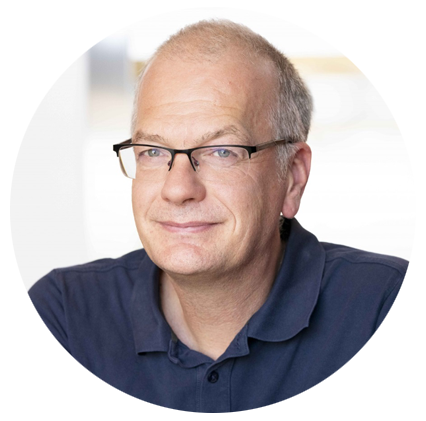
Drs. Uli Strauch is an acclaimed anesthesiologist-intensivist and the head of the Simulation Center at Maastricht University Medical Center (MUMC+), where he led various simulation and resuscitation courses. He played a crucial role in developing innovative educational programs like the SimNext module, aimed at enhancing simulation training. As the president of the Dutch Society for Simulation in Healthcare (DSSH), Drs. Strauch has also held leadership roles in SESAM and TRISIM, working to advance simulation-based education. Additionally, he is actively involved in Dutch United Training Concepts (DUTCH), focusing on improving training efficiency through cutting-edge simulation techniques.
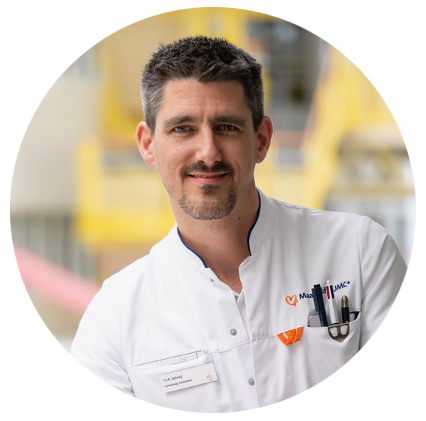
Drs. Thijs Delnoij is a cardiologist-intensivist at the Maastricht University Medical Center (MUMC+), specializing in Extracorporeal Life Support (ECLS). Under his guidance, the MUMC+ achieved the Platinum Center of Excellence designation from the European Life Support Organization (ELSO). As the Dutch National ALS Course Director, he coordinates and teaches resuscitative medicine across the Netherlands, with a focus on course and faculty development. His research interests include ECPR and various aspects of ECLS patient care. Additionally, he developed national courses such as the MUMC+ Lung Ultrasound Course, enhancing diagnostic skills among medical professionals.
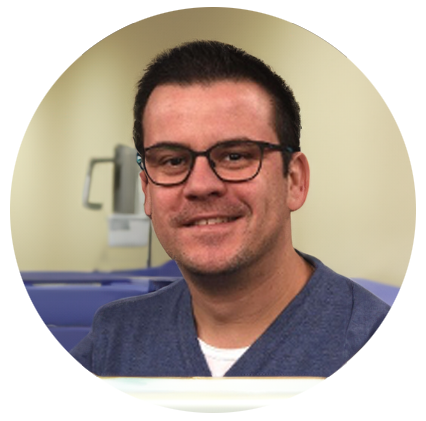
Drs. Ruud Segers is a pulmonologist-intensivist at Maastricht University Medical Center (MUMC+) and the coordinating intensivist for the ICUZON network, overseeing critical care in the South East of the Netherlands. He specializes in bronchoscopy and tracheostomy for acutely ill patients and co-developed a nationally recognized bronchoscopy course for intensivists, featuring a custom bronchus tree model for live training. His interests include simulation-based education, non-invasive ventilation, facilitating speech in ventilated patients, and lung ultrasound. Additionally, Drs. Segers is a founding member of the Maastricht Intensive Care Course (MICC) alongside Drs. Strauch and Drs. Delnoij.